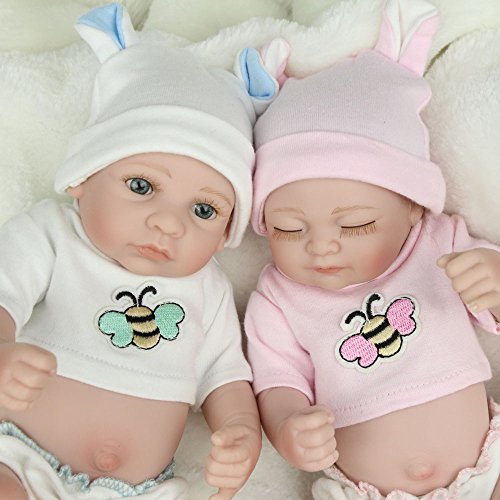
Reborning is the craft of turning a doll or blank doll kit into a more lifelike baby through painting, fine details, hair and assembly. The finished doll is called a reborn. Artists may also add weighting to change how it feels when held.
If you enjoy detailed craft work, reborning can be a project to learn in stages. If you mainly want a doll to hold, dress or display, buying one already finished avoids the cost and practice involved in making it yourself.
What does reborning mean?
The word describes the transformation of a doll into a realistic-looking baby. It can involve repainting an existing doll or working from a blank kit made for the craft. The artist builds the appearance through small details rather than adding one thick coat of skin colour.
Reborning is different from simply buying and dressing a doll. The craft work may include skin painting, hair, eyelashes, weighting and fitting the parts together. Some makers specialise in one part of the process, while others complete the whole doll.
How a reborn doll is made
- Choose the kit. The sculpt determines the face, expression, limb shape and intended body size.
- Prepare the parts. Follow the kit and paint supplier's instructions for cleaning and preparation.
- Build the skin detail. Thin layers create tone, blush, mottling, creases and other chosen details.
- Add the finishing details. Nails, lips, eyebrows and suitable finishing products complete the painted surface.
- Choose the hair. The doll may have painted hair, rooted hair, applied hair, a wig or a bald finish.
- Assemble the doll. The maker fits the correct body and parts, with suitable stuffing and weighting where intended.
That is an overview of the process. Your exact materials and order of work need to follow the kit and product instructions. For a more practical starting point, use our beginner reborning tutorial.
Vinyl and silicone need different materials
Vinyl and silicone are different surfaces, so do not buy paints and finishing products until you know which kit you have. The Reborn Artistry Alliance resources distinguish silicone work from vinyl reborning and link to suppliers and learning resources.
Read silicone vinyl descriptions carefully. That wording in a listing does not establish that the head, limbs or body are full silicone. Get an exact material description before choosing supplies. A cloth body with vinyl limbs also has different construction from a full-body doll.
Some vinyl paint systems use heat and others air-dry; the correct method comes from the product instructions. Never transfer a method, heating temperature or coating from another material without checking compatibility. Our silicone and vinyl comparison helps explain the finished-doll differences.
What beginners need to buy first
Start with one suitable kit and make a complete supplies list around it. A kit can mean only the unpainted head and limbs, rather than a box containing everything you need. Check the contents before comparing the price with a finished doll.
- Correct body and any required eyes or connectors
- Compatible paints, medium and finishing products
- Brushes, sponges and a clean work surface
- Hair materials and tools if your plan includes hair
- Suitable stuffing and weighting supplies
- Clothing that fits the completed doll
Keep the first project manageable. Painted hair or a bald finish removes the extra learning needed for rooting, while practice parts let you try colour and technique before working on a favourite sculpt. Check our beginner kit comparison to see how kit contents differ.
Is reborning hard to learn?
The challenge is controlling many small details consistently. A realistic skin tone takes patience, and hair work can add another skill to learn. Plan for practice rather than expecting your first attempt to match an experienced artist's photographs.
A good first goal is an evenly finished doll with careful assembly and a clear understanding of the materials. Photograph your work in ordinary daylight as you go. That helps you spot heavy colour, uneven detail or areas that need practice without relying on one flattering photograph.
Make a doll or buy one finished?
Add up the complete kit, consumables, reusable tools and delivery before deciding that making a doll will save money. The first project may cost more than expected because you are buying equipment as well as parts. Reborning is the better choice when you want the craft itself.
If you want a doll ready for display or gentle handling, compare finished dolls by actual photos, material, size and hair detail. Browse the Little Reborns shop for manufactured options, or research an individual artist when you want a personally finished collectible.
Frequently Asked Questions
Reborning means transforming a doll or blank doll kit into a more lifelike baby through painting, fine details, hair and assembly. The finished doll is called a reborn.
Reborning can involve different materials. Vinyl and silicone need different compatible paints and techniques, so identify the kit material before buying supplies.
Not always. Some kits contain only a head and limbs. Check whether the body, eyes, paint, hair, stuffing, weighting and tools are included or need to be purchased separately.
Compare the full cost of the kit, tools, supplies and delivery. A first project includes setup costs, so it makes most sense when you want to learn the craft as well as own the finished doll.