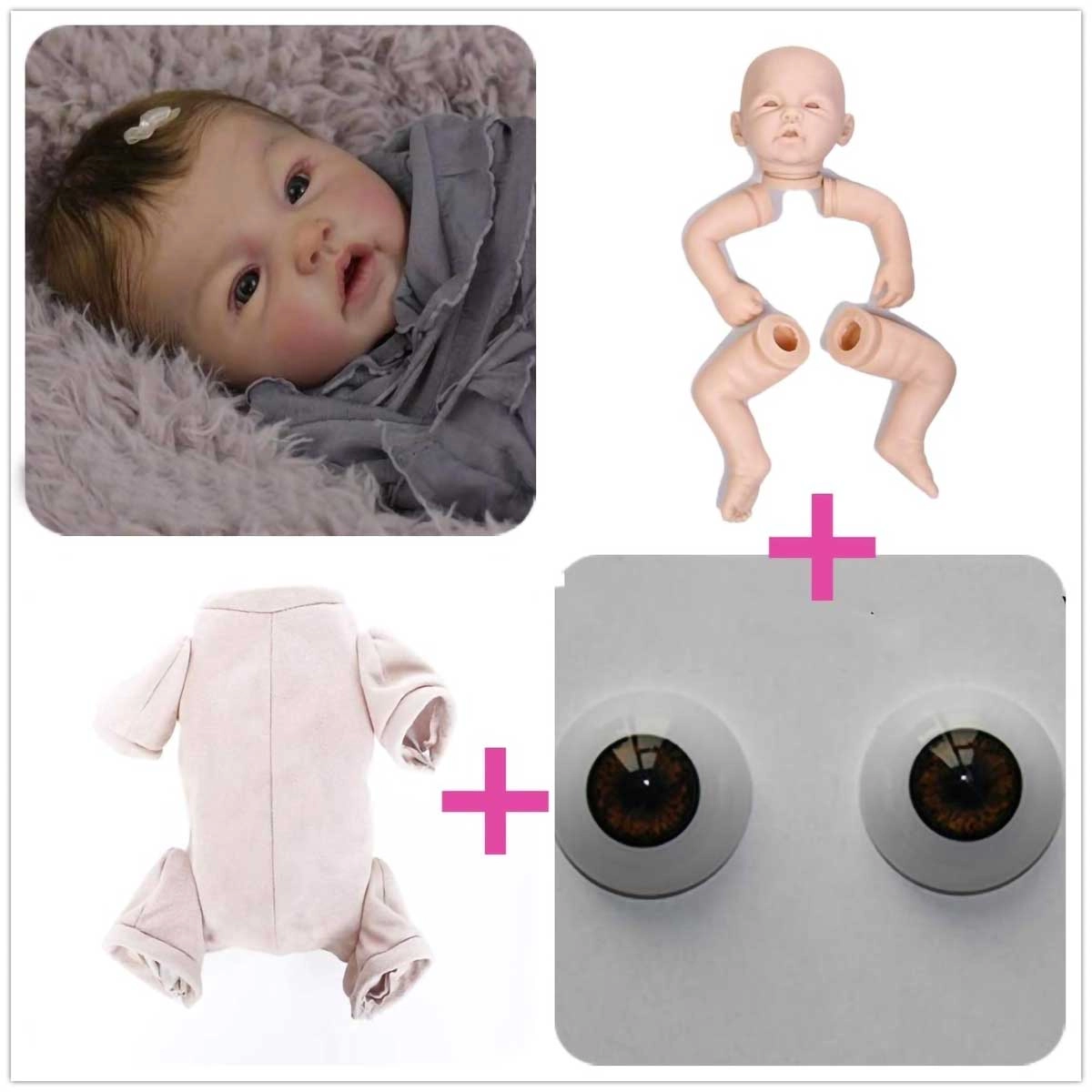
Learning how to reborn a doll takes patience. A beginner should start with the basic process, practise slowly, and avoid expecting a perfect lifelike result on the first kit.
What Reborning Means
Reborning is the process of making a doll or blank doll kit look more lifelike. A beginner reborning tutorial usually covers preparation, painting, detailing, hair, weighting, assembly, and finishing touches.
The goal is realism. That does not mean your first doll has to be perfect. It means each step should improve skin tone, depth, expression, and how natural the doll feels when finished.
Start With The Right Kit And Tools
Beginners should start with a simple vinyl kit rather than an expensive limited edition. Choose a kit with clear features, open or closed eyes based on preference, and a size that is easy to handle. You will also need paints or approved pigments, brushes, sponges, varnish or sealant, weighting material, stuffing, body, and basic assembly tools.
Beginner reborning setup:
- Unpainted reborn doll kit
- Paints and mediums that match your chosen method
- Fine brushes and sponges
- Eyes if the kit needs them
- Body, limbs, zip ties, and weighting supplies
- Reference photos for skin tone and details
- Safe workspace with good ventilation
Do not guess on product safety. Use materials intended for doll making, and follow the paint and sealant instructions carefully.
Basic Painting Workflow
Most realistic paintwork is built in thin layers. Artists add undertones, mottling, veins, blushing, creases, lips, nails, and skin depth gradually. Thick paint usually looks less realistic and is harder to fix.
Let each stage dry or cure properly based on the product you use. Rushing the paint stage can cause smudging, uneven color, or poor durability.
Hair, Eyes, And Details
Hair can be painted or rooted. Painted hair is often easier for beginners because it avoids the time and skill needed for rooting. Rooted hair can look very realistic, but it takes patience and careful handling.
Small details matter: nostril shading, nail tips, lip color, eyelash placement, and subtle creases can make the doll feel more lifelike. Keep details soft rather than harsh.
Weighting And Assembly
Weighting gives the doll a realistic feel. Add weight securely inside the limbs and body, then use stuffing to support the shape. The doll should feel balanced, not floppy in a way that strains the limbs or neck.
First Project Expectations
Your first reborn project should be treated as practice, not a masterpiece. Focus on clean preparation, thin paint layers, patient drying, and safe assembly. A simple kit with fewer difficult details is better than an expensive kit you are afraid to work on.
Take photos at each stage. They help you see whether skin tone, blushing, and creases are improving gradually or becoming too heavy. Small corrections are easier than fixing thick paint later.
If you are not ready to make your own doll, compare finished options first in the Little Reborns shop. Studying finished dolls can help you understand what realistic details look like.
If you plan to sell later, practise on lower-cost kits first and document the materials you use. Buyers care about the finished look, but they also want to know the doll was made with suitable paints, sealants, weighting, and assembly choices.
Frequently Asked Questions
You start with a doll kit, paint realistic skin details, add hair or painted hair, weight the body, assemble the parts, and finish the doll with clothing and accessories.
It takes patience and practice, but beginners can start with a simple kit and focus on thin paint layers and careful assembly.
You need a kit, suitable paints or pigments, brushes, sponges, sealant, weighting material, stuffing, body, hair or hair-painting supplies, and assembly tools.
Painted hair is usually easier for beginners. Rooted hair can look realistic but takes more time, tools, and patience.