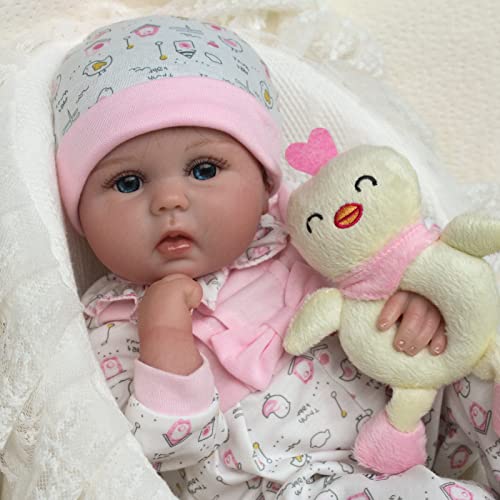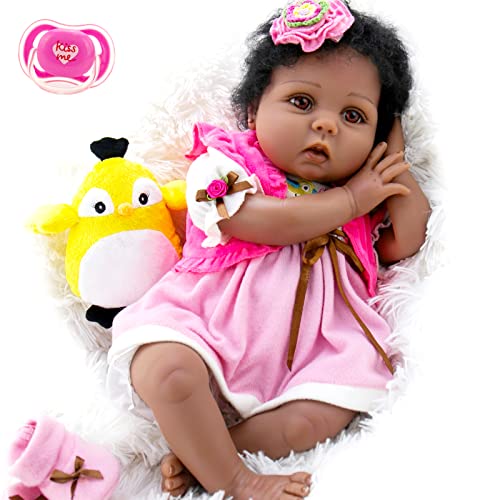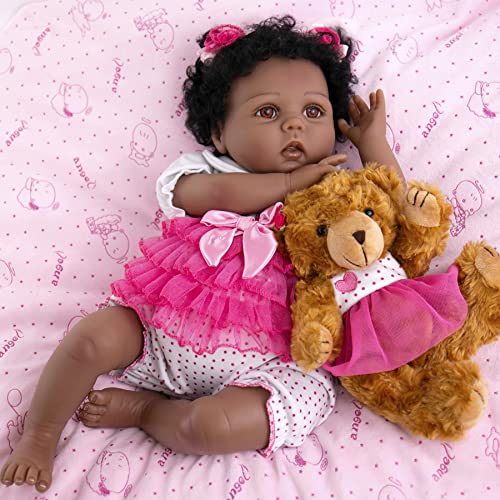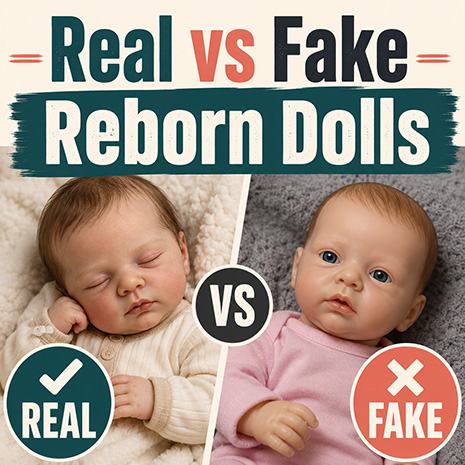
Fake reborn dolls are not just disappointing. They can waste your money, arrive looking nothing like the photos, use stolen artist images, or include small parts and magnets that were never explained in the listing.
This checklist compares real vs fake reborn dolls from a buyer's point of view: what the listing should show, what the seller should prove, and when to walk away before checkout.
Quick Checklist Before You Buy
If you only have two minutes, check these points first:
- The seller shows the exact doll you will receive, not only studio images or repeated stock photos.
- The price makes sense for the material, size, hair type, and level of detail.
- The listing explains whether the doll is vinyl, silicone, silicone-vinyl, cloth-body, full-limb, or full-body.
- The seller gives clear shipping, return, and contact details.
- Reviews mention product match, realism, hair, softness, delivery, and customer service.
- Photos show the face, hands, feet, hairline, body, outfit, and included accessories.
- There is no pressure-heavy countdown, fake discount, or vague warehouse wording.
If a listing fails several of those checks, do not try to talk yourself into it because the photo looks beautiful. Fake reborn listings often lead with the prettiest image and hide the practical details that matter after delivery.
What Does Real Mean With Reborn Dolls?
Real can mean a few different things. For an artist reborn, it usually means a doll kit has been painted, rooted or finished by an artist, then weighted and assembled to look lifelike. For a manufactured realistic doll, real usually means the seller is honestly showing the actual product, materials, features, and quality level.
A doll does not need to be a one-of-a-kind artist reborn to be worth buying. Many buyers want an affordable realistic doll for display, gifting, gentle play, or comfort. The problem starts when a seller uses stolen artist photos, misleading silicone claims, fake reviews, or pricing that promises artist quality for discount-toy money.
Red Flags That A Reborn Doll Listing May Be Fake
Use this list when a doll looks too good for the price:
- Stolen-looking photos: the same image appears on many unrelated websites, often with different names and prices.
- No exact doll proof: the seller cannot show a fresh photo or video of the doll, box, tag, or accessories.
- Unrealistic price: a full silicone, hand-rooted, artist-quality doll is advertised at a very low impulse-buy price.
- Vague material wording: the page says silicone baby, silicone touch, or lifelike silicone but the details mention vinyl.
- No return clarity: returns are hidden, confusing, or pushed off to email after purchase.
- Generic reviews: reviews praise the shop broadly but do not mention the actual doll, delivery, hair, weight, or product match.
- Poor product detail: no size, body type, weight, hair type, eye type, accessories, or safety notes.
- Copied descriptions: the same listing text appears across multiple sites with different brand names.
One red flag is not always enough to prove a scam. Several red flags together are enough to leave.
How To Check Photos Before Buying
Photos are where many fake reborn listings fall apart. A trustworthy seller should show more than one flattering face shot. You want enough photos to judge the sculpt, paint, hair, body type, and scale.
Look for these photo signals:
- Close-ups of the hands, feet, mouth, nails, eyelashes, and hairline.
- A full-body image showing whether the doll has a cloth body, full limbs, or full body.
- Images with consistent lighting and the same doll across the gallery.
- At least one photo showing size in context, such as the doll in a crib, chair, or outfit.
- Photos of included items, especially pacifiers, bottles, blankets, certificates, and spare outfits.
Run a reverse image search if the listing feels suspicious. If the same baby photo is used across many low-trust sites, assume you may not receive the doll shown.
Certificate Of Authenticity: Useful, But Not Enough Alone
A certificate of authenticity can help when you are buying a limited sculpt, artist reborn, or collectible doll. It is not a magic guarantee by itself. Fake sellers can mention certificates without showing meaningful proof, and many affordable realistic dolls are not sold as artist collectibles at all.
Use the certificate as one trust signal, then check the stronger buyer signals: exact photos, seller history, return policy, realistic price, payment protection, and product-specific reviews.
Safety Checks Matter Too
Fake listings often leave out the boring details that make a doll safer to buy. Check for magnets, small accessories, button batteries, loose eyelashes, weighted filling, and age guidance. This matters most if the doll is for a child, a classroom, a care setting, or a buyer who may put small pieces near the mouth.
If you are shopping for a younger child, read are reborn dolls safe for kids before buying. A realistic doll can still be the wrong choice if the accessories or construction do not match the child's age.
Where To Buy With Less Risk
Lower-risk buying starts with sellers that are easy to verify. Look for established doll shops, clear product pages, visible policies, buyer reviews that discuss the actual product, and payment methods with protection.
Little Reborns keeps buyer guidance and review pages together so you can compare before checkout. Start with the reborn doll websites checklist, then read how to find genuine reborn dolls without getting scammed. You can also compare vetted product-style pages in the reborn doll shop.
Final Buyer Rule
Do not buy a reborn doll from a listing that makes you guess. You should not need to guess the material, size, body type, shipping policy, return policy, safety issues, or whether the photo shows the doll you will receive.
A good listing earns trust before asking for payment. A fake-looking listing asks you to trust the prettiest photo and ignore the missing details.
Frequently Asked Questions
Check for stolen-looking photos, vague material claims, unrealistic pricing, no exact doll proof, weak return details, generic reviews, and missing size or safety information.
No. Some affordable realistic dolls are honest vinyl dolls. Be cautious when a cheap listing claims full silicone, hand-rooted hair, artist-level detail, or one-of-a-kind quality without proof.
No. Certificates are common for limited sculpts and some artist dolls, but many manufactured realistic dolls do not have them. Use certificates as one trust signal, not the only proof.
Ask for the doll's material, size, weight, body type, hair type, included accessories, age guidance, return policy, and a current photo or video if the listing feels unclear.