Dolls can support kids by giving them a safe, familiar way to practise care, communication, imagination, and responsibility. The value comes from guided play, not from treating every doll like a teaching tool.
How Dolls Support Pretend Play
Dolls help kids practise real-world situations in a safe, low-pressure way. A child can feed a doll, put it to bed, talk to it, take it for a pretend outing, or copy routines they see at home. That kind of play builds imagination because the child has to create the scene, the problem, and the next step.
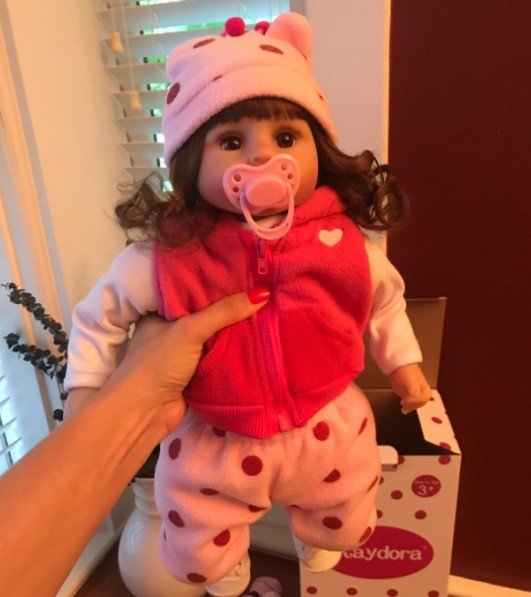
For younger kids, a simple baby doll is usually enough. For older children who are gentle and understand fragile items, a more realistic doll can make the play feel more meaningful.
Responsibility Without Real Pressure
A doll gives a child a small responsibility that is safe to practise. They can remember a blanket, pack a pretend bag, choose an outfit, or place the doll carefully on a chair. These small tasks teach care, sequencing, and patience without the pressure of looking after a real baby or pet.
This is one reason doll play can be useful before a new sibling arrives. The child can practise gentle hands, quiet voices, and basic care routines before the household changes.
Language, Empathy, And Social Skills
Dolls can help children use more language because the play naturally creates conversation. They may explain what the doll needs, ask questions, tell a story, or copy phrases they hear from adults. Group play can also encourage turn-taking and negotiation.
Empathy comes from imagining what someone else might need. A child might say the doll is tired, cold, hungry, or upset, then decide how to help. That is simple play, but it is also practice in noticing and responding to needs.
Choosing The Right Doll For A Child
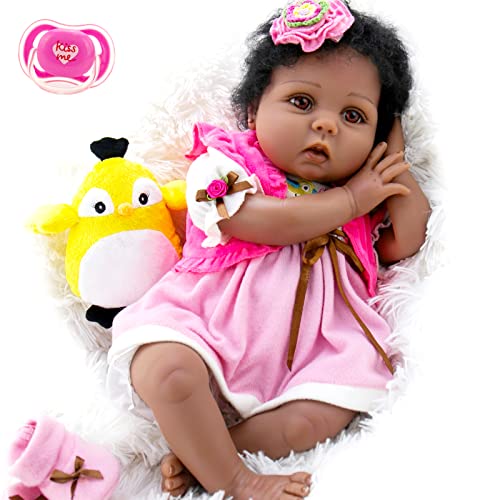
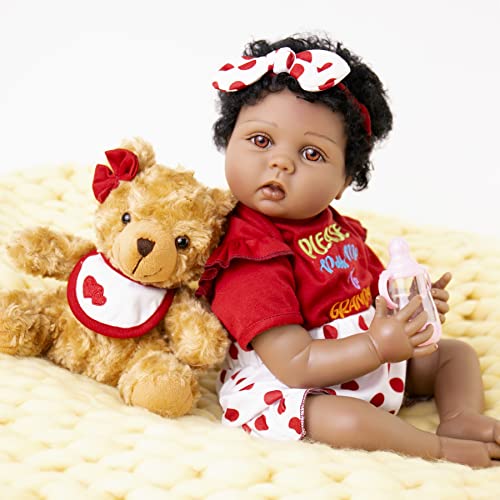
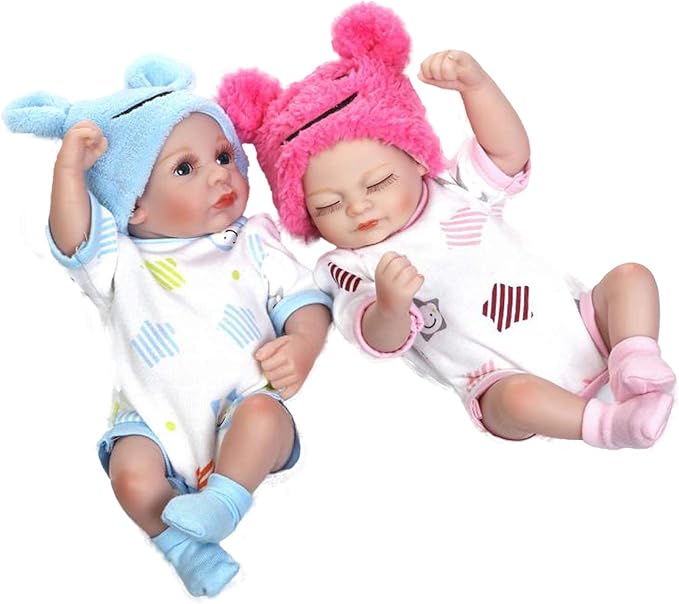
The best doll depends on the child's age, patience, and how the doll will be used. A young child usually needs a sturdy baby doll that can handle more active play. A fragile reborn is better for older children, collectors, supervised play, or display.
For child-friendly doll play, prioritize:
- Durable vinyl or soft-body construction
- Manageable size and weight
- Easy clothing changes
- Few small loose accessories
- Simple storage so pieces do not get lost
- Age guidance that matches the child
Realistic dolls can be beautiful, but they are not always the best first choice for rough play. Painted vinyl, rooted hair, eyelashes, and weighted bodies need careful handling. If the child mainly wants to dress, carry, and play daily, durability should come before realism.
Using Dolls In A Calm Routine
Doll play can also support quieter moments at home. A simple routine like changing the doll, reading a book, and putting it to bed can help a child slow down. The routine should stay light and enjoyable, not become another rule-heavy task.
Best Age Fit For Doll Play
For younger children, choose dolls that are soft, sturdy, and easy to carry. For older children, a realistic doll can work if they understand gentle handling and can follow simple care rules. The more fragile the doll, the more supervision matters.
A useful rule is to match the doll to the child's actual play style. If they like active play, choose durability. If they like quiet routines, dressing, and display, a more realistic doll may be a better fit.
If you are comparing dolls for a child, start with purpose first: play, comfort, display, or collecting. Then choose from the Little Reborns shop based on size, softness, durability, and supervision level.
Frequently Asked Questions
Dolls can support pretend play, language, empathy, responsibility, routines, and social skills through simple care-based activities.
They can be suitable for older, gentle children with supervision, but very young children usually need sturdier baby dolls.
Yes. Doll play can help a child practise gentle handling, care routines, and talking about babies before a new sibling arrives.
For everyday play, choose durability first. For older children or collectors, realism and detail can matter more.