Doll therapy for dementia searches usually come from families and caregivers looking for comfort, routine, and a gentle way to support someone they love. The right doll choice is not about buying the most realistic doll possible. It is about dignity, safety, softness, and whether the person responds positively.
What Doll Therapy Means
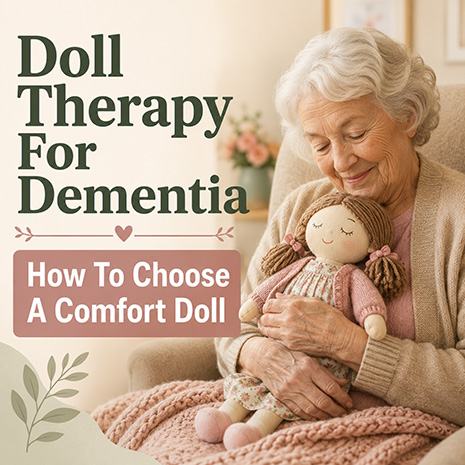
Doll therapy is the use of a baby doll or comfort doll as part of a calming, person-centered routine for some people living with dementia. For the right person, holding or caring for a doll may feel familiar, soothing, and meaningful. For another person, it may feel unwanted or confusing. The response matters more than the idea.
This is why families should introduce a doll gently. Place it nearby, notice whether the person reaches for it or shows interest, and avoid forcing the interaction. The goal is comfort, not correction or performance.
Choose Dignity First
The best dementia comfort doll should support the person's dignity. Avoid talking as if the adult is a child. Avoid using the doll as a joke, a test, or a way to control behavior. If the person treats the doll as important, everyone around them should treat it respectfully too.
Before buying, ask:
- Did this person enjoy babies, parenting, dolls, caregiving, or nursery routines earlier in life?
- Would a doll feel comforting, or could it feel upsetting?
- Will family members and caregivers understand the purpose?
- Can the doll be kept clean and safely stored?
- Are there detachable parts that could become a hazard?
When possible, include the family caregiver, facility staff, or care team in the decision so the doll is introduced consistently and respectfully.
Comfort Doll Features To Compare
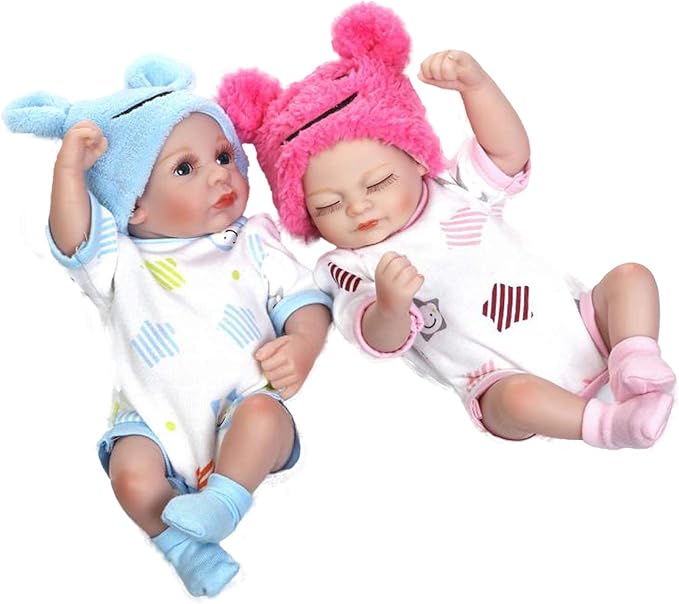
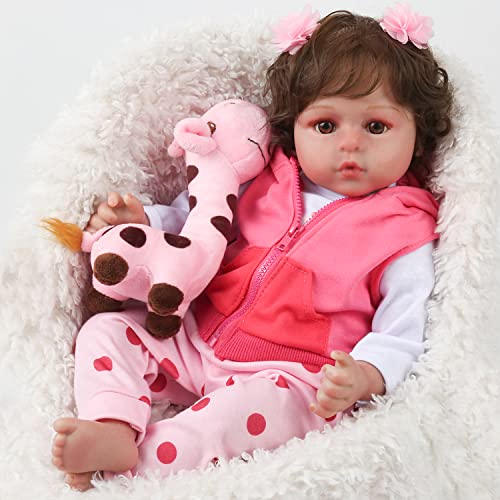
A dementia comfort doll does not need extreme collector detail. In many cases, practical comfort matters more than fragile realism.
- Soft body: easier to hold for long periods and more comforting against the arm or chest.
- Manageable weight: realistic enough to feel grounding, but not so heavy that it causes strain.
- Gentle face: calm sleeping faces often work better than dramatic expressions.
- Simple clothing: easy to adjust, remove, wash, or replace.
- Minimal loose parts: avoid small detachable accessories if choking, loss, or confusion is a concern.
- Washable surfaces: useful for shared care settings or frequent handling.
- Skin tone and style: choose a doll that feels familiar, warm, and respectful for the person.
Browse realistic baby dolls with those comfort features in mind. Do not buy the most delicate collectible reborn if the doll will be handled every day.
When A Doll May Not Be Right
A doll is not right for every person with dementia. If it causes distress, arguments, fear, or sadness, stop using it and try a different comfort item. A soft blanket, photo album, music routine, familiar toy, or simple hand activity may work better.
Also be careful with sleeping dolls that look unresponsive if the person becomes worried. Some families prefer open-eyed dolls, while others prefer sleeping faces. Watch the actual response instead of assuming one style is always best.
Best Buying Path
My recommendation is to buy for comfort first, realism second. Choose a soft, manageable doll with a calm face, safe clothing, and limited loose parts. If the person responds well, add a simple blanket or outfit later. If they do not respond well, do not push it.
For a next step, compare soft realistic baby dolls and focus on the details that make the doll easier to hold, care for, and keep clean.
Frequently Asked Questions
A soft, manageable, easy-to-clean doll with a calm face and few loose parts is usually more practical than a fragile collector reborn. Choose comfort, safety, and dignity first.
Yes. Some people may dislike the doll or become worried by it. Introduce it gently, watch the response, and stop using it if it causes distress.
Yes, especially in a care facility. Everyone involved should understand the purpose, how to introduce the doll respectfully, and how to keep it clean and safe.